Is Teeth Whitening Permanent?
Free Information Form
Get Detailed Information!
How is Teeth Whitening Applied?

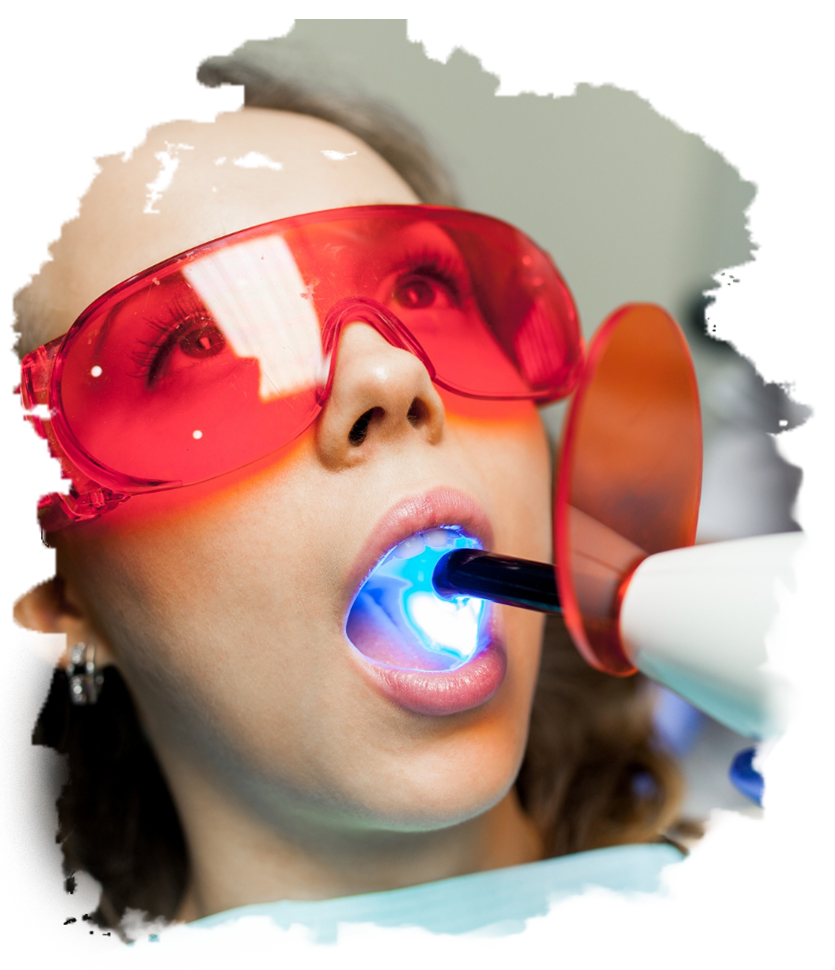
- In-office whitening: This is applied under the supervision of a dentist, by activating high-potency professional gels with special light systems. Visible results are usually achieved in a single session.
- At-home whitening: This is applied over several days or weeks using low-concentration gels, using trays custom-made by a dentist.
Although the permanence of teeth whitening varies depending on the person's oral care and lifestyle, it can be maintained for a long time thanks to regular hygiene habits.
How Long Do the Effects of Teeth Whitening Last?
The average longevity of teeth whitening varies between 6 months and 2 years. This timeframe varies from person to person, as oral hygiene, dietary habits, and beverages consumed directly affect the results. Regular brushing, flossing, and professional cleanings every six months after whitening ensure long-term results.
However, frequent consumption of discoloring substances such as cigarettes, coffee, tea, and wine can cause the whitening to fade quickly. Limiting such habits significantly prolongs the treatment’s effectiveness. In short, the longevity of whitening is largely directly proportional to the individual’s oral hygiene.
Things to Consider After Whitening
After teeth whitening, the tooth surface becomes more susceptible to external influences for a period of time. Temporary sensitivity may occur in the enamel during this period, and it is crucial to avoid colored foods.
- Coffee, tea, wine, cola, and cigarettes should be avoided for the first 48 hours.
- Acidic beverages, citrus fruits, or intensely colored sauces should be avoided.
- Teeth should be brushed gently, and desensitizing toothpaste should be used as recommended by a physician.
- Drinking sufficient water throughout the day both cleans the enamel surface and prevents discoloration.
By following these recommendations, the results after whitening will look more natural and last longer.
Ways to Increase the Permanence of Teeth Whitening
Maintaining whiteness after whitening depends entirely on the individual’s attention to oral hygiene.
- Brushing your teeth at least twice a day,
- Regular flossing and using antibacterial mouthwash,
- Having a six-month dental checkup,
- Annual touch-up whitening session, if necessary, will prolong the whitening effect.
In addition, rinsing your mouth with water or brushing your teeth after consuming coloring foods prevents the color molecules from adhering to the enamel. These simple yet effective habits help maintain the healthy and bright appearance of your teeth after whitening.
Is Teeth Whitening Suitable for Everyone?
Teeth whitening is generally a safe procedure, but it may not be suitable for everyone. In cases of gum disease, cavities, or hypersensitivity, these issues should be addressed first. Furthermore, whitening gel is not effective on teeth with veneers, fillings, or porcelain restorations; therefore, color inconsistency may occur after whitening.
A thorough examination by a dentist prior to treatment ensures the most appropriate method is selected. Because each individual’s tooth structure, enamel thickness, and level of discoloration are different, the treatment process must be personalized.