What Causes Jaw Joint Sounds?
The jaw joint, medically known as the temporomandibular joint (TMJ), facilitates movement between the lower jaw and the skull. It works constantly during daily activities such as speaking, eating, and facial expressions.
Some people may hear clicking, popping, or grinding sounds during movements of this joint. The question of why these jaw joint noises occur is particularly intriguing for those who notice them, and it often leads to a doctor’s consultation for aesthetic or health concerns.
Free Information Form
Get Detailed Information!
Causes of Jaw Joint Noises
Noises coming from the jaw joint are often caused by minor changes in the joint structure. A clicking or popping sound can occur when the cartilage and articular disc within the joint don’t glide properly during lower jaw movements. This is associated with a temporary shift or displacement of the articular disc.
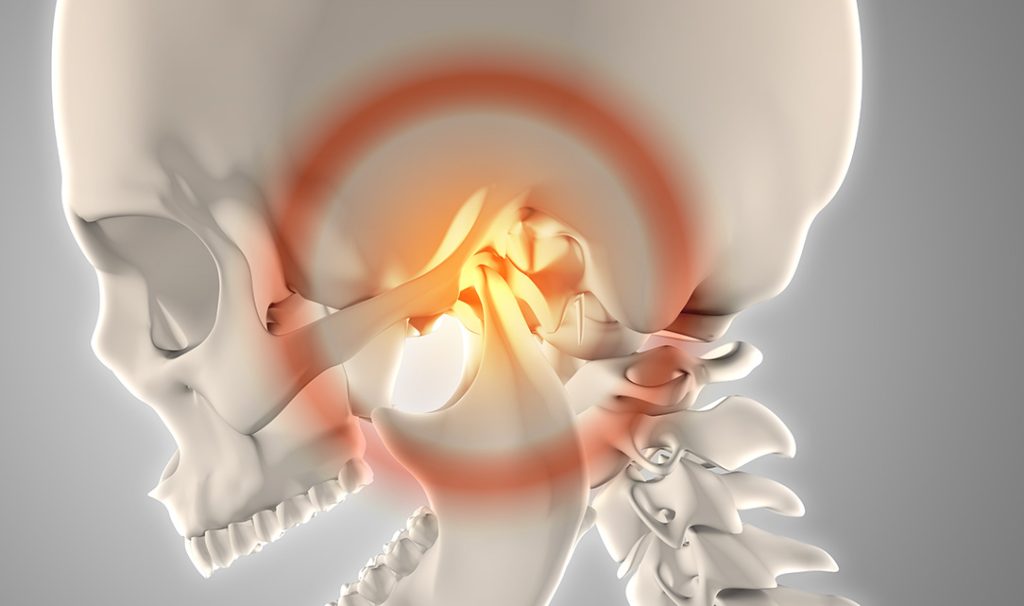
Frequency and Characteristics of Sounds
Jaw joint sounds can often be unilateral or bilateral. In some individuals, they are heard only during certain movements, while in others, a constant clicking may be felt during chewing or yawning.
The character of the sound is also important: a gentle clicking is usually not a serious problem, while a harsh, continuous clicking sound may indicate a change in the joint structure.
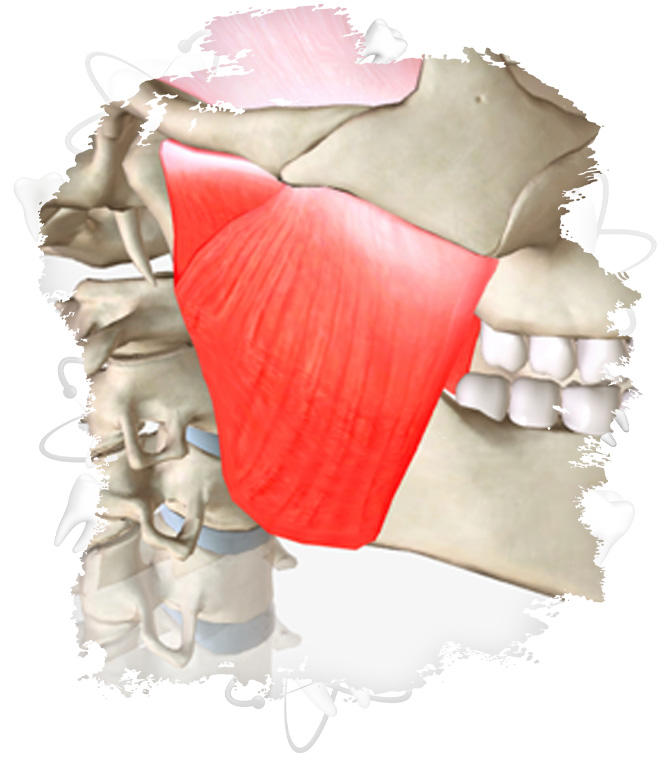
Factors Affecting Jaw Joint Sounds
There are several factors that can increase jaw joint noises. These include stress and anxiety, which can trigger jaw muscle contractions and teeth-clenching habits.
Chewing irregular or hard foods can also cause excessive strain on the joint, leading to noises. Sleeping positions and activities that require prolonged mouth opening can also trigger temporary joint noises.
Genetic factors also play a role; some people’s joints are naturally more flexible or lax, making sounds more easily heard.
When to Be Careful?
Methods for Preventing and Relieving Jaw Joint Noises
Some measures can be taken to reduce jaw joint noises and maintain joint health. Night guards are recommended for people who clench or grind their teeth; these guards relax the jaw muscles and reduce the load on the joint. Stress management can alleviate joint noises by reducing muscle tension. Furthermore, choosing softer foods instead of hard, large bites helps balance the load on the jaw joint.
Regular checkups with a doctor are important for early detection of serious underlying causes of jaw noises. Physiotherapy and jaw exercises can also help reduce noises by promoting balanced muscle function.