What is Amalgam Filling? Why is it Preferred?
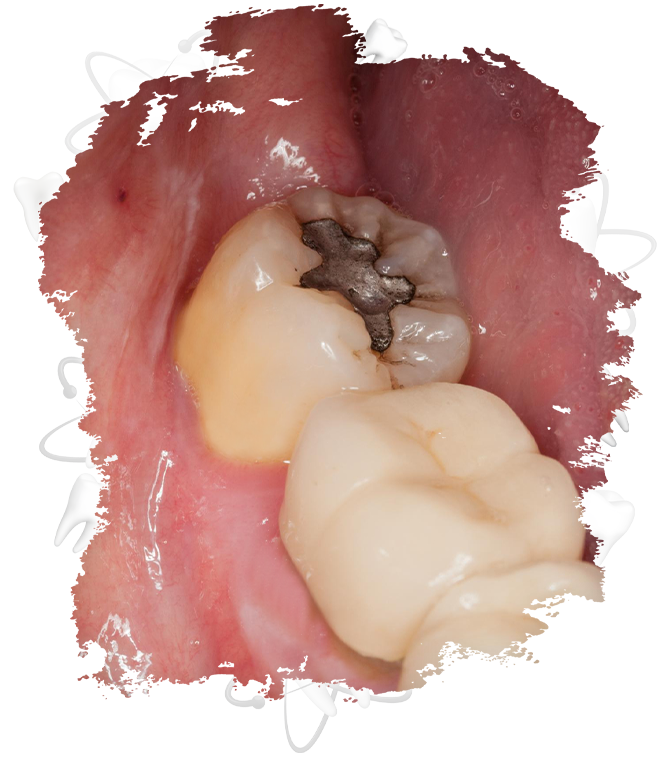
Amalgam filling, is a high-strength restorative filling material used in the treatment of tooth decay, consisting of an alloy of silver, tin, copper and mercury.
Amalgam fillings, which have been used in dentistry for more than 150 years, are especially preferred for posterior teeth that are exposed to heavy chewing forces. Although composite fillings and porcelain restorations have become popular in modern aesthetic-focused dentistry, amalgam fillings are still safely applied in many clinical indications due to their mechanical durability and long lifespan.
Especially in teeth with large cavities, high caries load, difficult moisture control, and those functioning under high pressure, amalgam fillings are a strong option in terms of durability and stability.
Free Information Form
Get Detailed Information!
Properties of Amalgam Filling
Thanks to their metal-based structure, amalgam fillings:
- Withstand strong chewing forces
- Are long-lasting (10–20 years and more)
- Are resistant to marginal leakage
- Have higher moisture tolerance compared to composites
- Provide reliability in large and deep cavities

Amalgam is a chemically reaction–based material that hardens without polymerization, and over time it forms an oxide layer on its surface, increasing marginal seal.
For this reason, it has been safely preferred for years, especially in posterior teeth with large cavities.
Why is Amalgam Filling Preferred?
High Durability and Longevity
Chewing forces are very high in posterior teeth. Amalgam maintains its function for many years thanks to its ability to absorb mechanical stress.
Advantage in Areas of the Mouth Where Moisture Control is Difficult
While composite fillings require ideal conditions, amalgam provides greater moisture tolerance. Therefore, it is preferred in situations where saliva control is difficult.
A Reliable Option in Large Cavities
In teeth with significant structural loss, amalgam provides excellent load-bearing capacity and reduces the risk of restoration failure.
Cost Advantage
It is an economical treatment option both in terms of material cost and clinical application process.
Amalgam and Aesthetic Concerns
Amalgam fillings are not preferred in aesthetic areas due to their gray metallic appearance.
In the smile line, composite or porcelain fillings are more suitable.
Therefore, amalgam is generally used in:
- First and second molar teeth
- Non-visible areas of the mouth
- Posterior restorations requiring durability
Is Amalgam Safe? Mercury Content Discussions
Amalgam fillings contain mercury in a bound form. This mercury becomes part of the alloy after the reaction and does not circulate in a free form. International organizations such as the WHO, FDI, and ADA state that amalgam is safe when used with proper indications and correct technique.
However, alternative materials are preferred for pregnant women, children, and individuals with certain metal allergies. The decrease in its use in modern dentistry is associated with increased aesthetic demands, not safety concerns.
Amalgam filling is still a valid and functional treatment option, especially for patients seeking high durability and long lifespan in posterior teeth.
Although aesthetic restorations are more commonly used today, with proper indication and appropriate clinical application, amalgam fillings continue to provide a practical, economical, and long-lasting solution. The most appropriate material selection according to the tooth’s needs and the patient’s expectations should be made through the dentist’s clinical evaluation.