What Is Good for Gum Recession?
Methods that help with gum recession include proper oral hygiene practices, natural herbal remedies, and a balanced diet. Regular tooth brushing, flossing, and the use of antiseptic mouthwashes help maintain healthy gums. Additionally, natural remedies such as aloe vera gel, salt water rinses, and coconut oil can support gum health. When combined with professional treatments recommended by a qualified dentist, these methods can help reduce the effects of gum recession.
Contact Form
Get Detailed Information!
What Is Gum Recession?
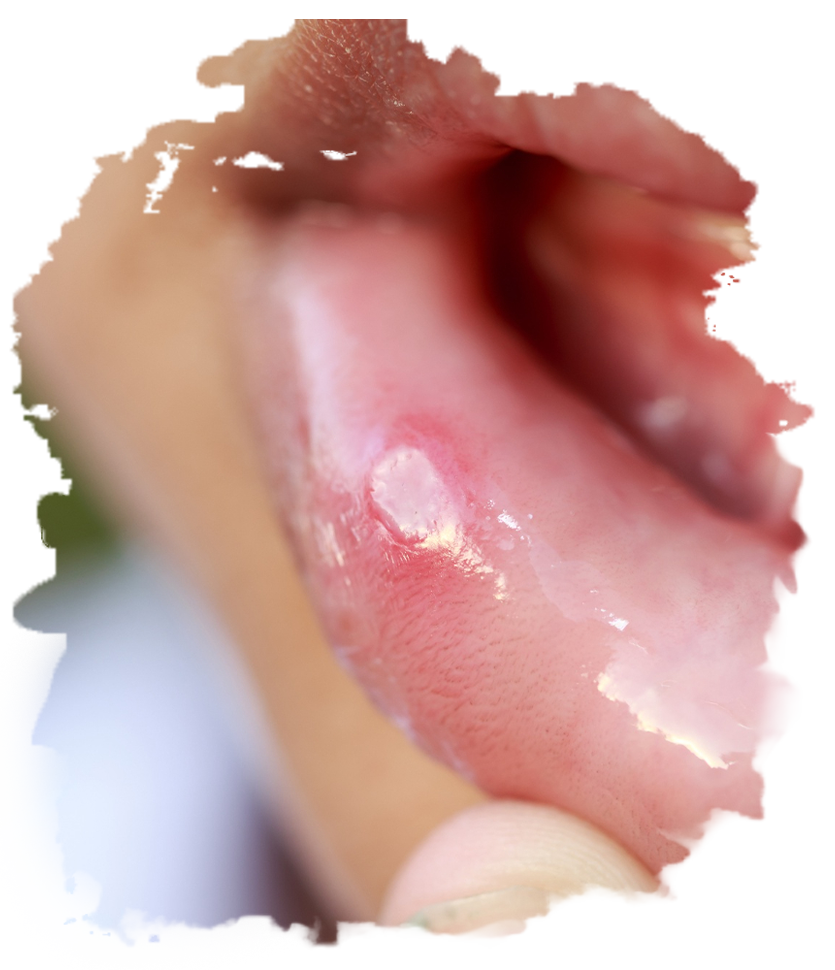
Gum recession is a condition in which the gums pull back from the tooth roots, partially or completely exposing the root surface. This process causes the gums to move away from their normal position, increasing the depth of the “pocket” between the tooth and the gum. The exposed root surface can lead to various problems such as sensitivity to hot and cold, a higher risk of cavities, and aesthetic concerns.

A healthy gum line surrounds and supports the tooth; recession indicates that this protective barrier has weakened.
What Causes Gum Recession?
The main causes of gum recession include improper brushing techniques (such as using a hard-bristled toothbrush or applying excessive pressure), periodontal (gum) diseases, genetic predisposition, hormonal changes, and frequent teeth grinding (bruxism). Additionally, the use of tobacco products can impair blood circulation in the gums, leading to weakened tissue. Not removing tartar buildup over time also contributes to bacterial plaque accumulation and can trigger inflammation and recession of the gums.
How Should Oral Hygiene Be Maintained to Prevent Gum Recession?
To maintain oral hygiene, teeth should be brushed at least twice a day using a soft-bristled toothbrush and fluoride toothpaste, with gentle circular motions. Floss or interdental brushes should be used regularly to clean between the teeth and prevent plaque buildup. Mouthwashes—especially those with antiseptic and antibacterial properties—can be used once daily to support gum health. Regular professional dental cleanings and check-ups every six months should also not be neglected.
Natural Remedies for Gum Recession
These natural methods can help slow the progression of gum recession and relieve its symptoms; however, it is essential to address the underlying cause and consult a dentist.
- Salt Water Rinse: Gargling with a teaspoon of salt dissolved in warm water can reduce inflammation in the gums and help cleanse bacteria in the mouth. It can be used 1–2 times a day.
- Aloe Vera Gel: Thanks to its natural anti-inflammatory and antibacterial properties, aloe vera can be applied directly to the gums to reduce inflammation. When gently massaged onto the gum line, it provides a soothing effect.
- Oil Pulling with Coconut Oil: Swishing a tablespoon of coconut oil in the mouth for 10–15 minutes can help reduce harmful bacteria. This method can be used as a supportive practice for maintaining gum health.
- Clove Oil: Known for its antiseptic properties, clove oil can relieve pain and help calm inflamed gums. A small amount can be applied to the gums using a clean cotton swab.
- Green Tea Consumption: Rich in antioxidants, green tea supports periodontal health by reducing gum inflammation. It is recommended to drink 1–2 cups of unsweetened green tea daily.
- Turmeric Paste: Turmeric, known for its antibacterial and anti-inflammatory effects, can help fight inflammation when applied to the gums as a paste. A mixture of natural turmeric and a little water can be used several times a week.
What Should Be Done to Stop Gum Recession?
If left untreated, gum inflammation can damage the connective tissue and jawbone beneath the gum line. This process can progress into periodontal disease, potentially leading to tooth loss. In addition to tooth loss, chronic inflammation in the mouth can enter the systemic circulation and trigger general health problems such as heart disease and diabetes. Therefore, early intervention is critically important.
What Is the Role of Nutrition in Gum Recession?
Nutrition plays a critical role in the repair of gum tissue and in maintaining a strong immune system. Vitamin C supports collagen synthesis in the gums; its deficiency can weaken periodontal connective tissue. Vitamin D and calcium help preserve bone and gum support. Fruits, vegetables, and whole grains rich in antioxidants help reduce inflammation and promote gum health. On the other hand, excessive consumption of sugary and acidic foods can accelerate plaque buildup and worsen gum problems.
How Can Gum Recession Be Treated?
The treatment option is planned according to the severity of the recession. In mild cases, professional cleaning and correcting improper brushing habits may be sufficient. In moderate to advanced stages, root surfaces need to be cleaned with special instruments (scaling and root planing), and surgical interventions may be required if necessary. Surgical methods include gum grafting (connective tissue graft) and pocket reduction surgery. Laser-assisted treatments can also offer a less invasive alternative.
What Problems Can Advanced Gum Recession Cause?
If left untreated, gum recession can progress and lead to root decay, tooth sensitivity, and erosion of the root surface. As the pocket depth increases, bacterial accumulation becomes easier, which raises the risk of periodontitis and tooth loss. Additionally, aesthetic issues such as elongated teeth and vertical gaps between teeth may occur. In advanced cases, chewing function can be impaired, and neighboring teeth may begin to loosen due to loss of support.

Frequently Asked Questions
You can browse the common questions asked by our patients and contact us for all other questions you are curious about. you can contact us.
Yes, laser treatment is one of the modern methods that can be used to treat gum recession. Laser therapy can remove infected tissue and accelerate the healing process. Since it is minimally invasive, it is often preferred for greater patient comfort.
Although gum recession is more common in adults, it can also occur in children. Poor oral hygiene, the use of braces, or habits like teeth grinding can contribute to gum recession in children.
Yes, gum recession can negatively affect the success of dental implant treatment. Healthy gum tissue is crucial for the long-term stability of an implant. Therefore, gum health should always be carefully evaluated before proceeding with implant placement.
Gum recession doesn’t always cause pain, but in some cases, it can lead to sensitivity and discomfort. Exposed tooth roots may become sensitive to hot or cold foods. In more advanced cases, pain may occur along with infection.