Diastema (Gap Teeth) Treatment: Causes, Methods, and Aesthetic Approaches
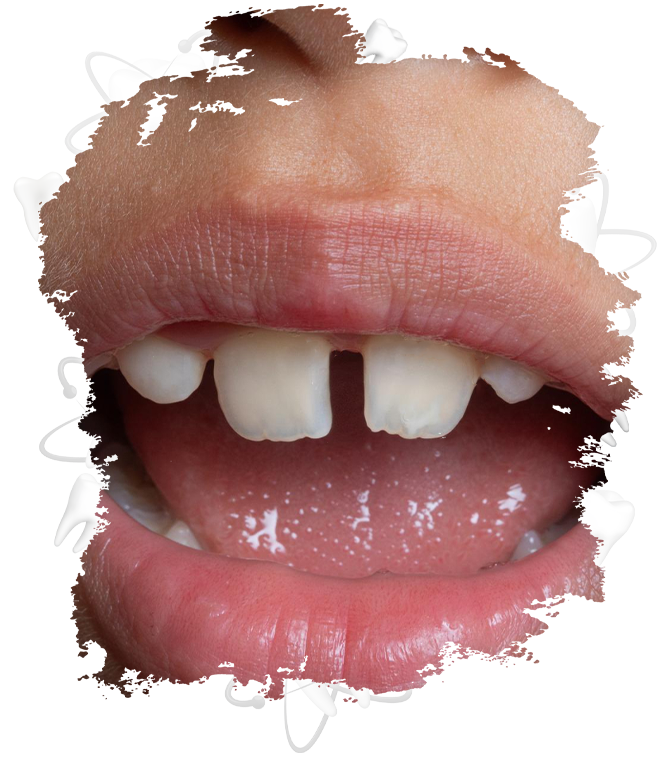
Diastema, especially seen in the upper front teeth, is an aesthetic gap that noticeably affects the smile. While some trends may consider it attractive, most people prefer a more symmetrical and harmonious smile. The appearance of spaced teeth is not only an aesthetic issue; it is also related to various factors such as jaw structure, tongue position, labial frenum, and periodontal health.
Therefore, treatment is not just about closing the gap but identifying the underlying cause and creating an appropriate plan. Otherwise, the gap may reopen, or functional problems may develop. In modern smile design, the goal is to maintain naturalness and functional balance while closing the space.
Free Information Form
Get Detailed Information!
Why Does Diastema Occur?
There is no single cause for diastema; multiple genetic, anatomical, and functional factors can play a role. One of the most common structural reasons is a jaw size that is larger than the size of the teeth. Additionally, a thick or low-attached upper labial frenulum can create an anatomical barrier between the two front teeth, maintaining the diastema.

In childhood, early loss of primary teeth, tongue-thrusting habits, mouth breathing, thumb sucking, prolonged pacifier or bottle use, and incorrect swallowing reflexes can contribute to the development of diastema.
In adults, reduced bone support due to periodontal disease can lead to newly formed gaps; in such cases, periodontal treatment must be addressed before any aesthetic closure.
Thus, diastema is not merely an aesthetic gap; it reflects the combined status of jaw-tongue biomechanics, soft tissue anatomy, and periodontal health. Proper analysis is essential.
Treatment Methods for Diastema
- Composite Bonding: Balanced tooth width and natural contours with minimal enamel reduction
- Porcelain Laminate Veneer: High aesthetics, long-lasting, light-transmitting porcelain
- Orthodontic Treatment (Clear Aligners / Braces): Moves teeth to their biological positions
- Frenectomy: Surgical adjustment of the lip frenulum (if necessary)
- Periodontal Treatment: Essential in diastemas caused by gum disease
The choice among these options depends on the gap width, tooth shape, jaw relationships, lip support, and the patient’s aesthetic expectations.
How is the Treatment Process Planned?
The treatment process requires balancing proportion and harmony as much as “closing the gap.”
Digital smile design analyzes facial proportions, the golden ratio, lip line, tooth length-to-width ratio, and midline alignment.
Bonding is a quick and conservative solution for small to medium gaps. Modern nano-hybrid composites mimic enamel and provide a natural result in a single session.
For cases with higher aesthetic demands, porcelain veneers reshape tooth form with micron-level precision.
If there is crowding, narrow jaws, or tongue function issues, orthodontic treatment provides biological balance and long-term stable results. If the upper lip frenulum anatomically obstructs, laser frenectomy can prevent diastema recurrence.
The goal throughout the process is to achieve a natural, balanced, facially harmonious, and lasting smile.
Aesthetic Results and Post-Treatment Stability
After treatment, especially in cases with wide gaps, the use of a retainer is recommended to prevent the diastema from reopening. Regular polishing of bonding and veneers reduces plaque accumulation and maintains a glossy appearance. Post-orthodontic training of muscle function and tongue position (“myofunctional therapy”) ensures long-term stability.
A properly planned diastema treatment does not only close the gaps; it also:
- Balances facial aesthetics
- Improves speech
- Enhances smile symmetry
- Boosts self-confidence
In modern aesthetic dentistry, diastema is addressed as part of the natural smile architecture. With advanced materials and digital planning, the appearance of spaced teeth can be corrected quickly, safely, and aesthetically.