Care and Durability of Laminate Veneers
Laminate veneers are one of the most preferred treatments for those who want an aesthetic smile while preserving natural tooth structure. Thanks to their thin structure, translucency, and natural surface characteristics, they provide successful results both functionally and visually. However, veneers are not merely an aesthetic procedure; without proper care, issues such as wear, gum incompatibility, and loss of brightness may occur.
The longevity of veneers depends on porcelain quality, bonding protocol, chewing habits, and oral hygiene. Daily brushing, interdental cleaning, and regular check-ups are essential for long-lasting and aesthetic results. In addition, because veneers do not completely cover the tooth surface, the risk of decay still exists; if oral care is neglected, the natural tooth under the porcelain may be damaged.
Free Information Form
Get Detailed Information!
Things to Consider for the Long Lifespan of Veneers
- Do not neglect your oral care routine
- Use a night guard if you grind your teeth
- Avoid breaking hard foods directly with your teeth
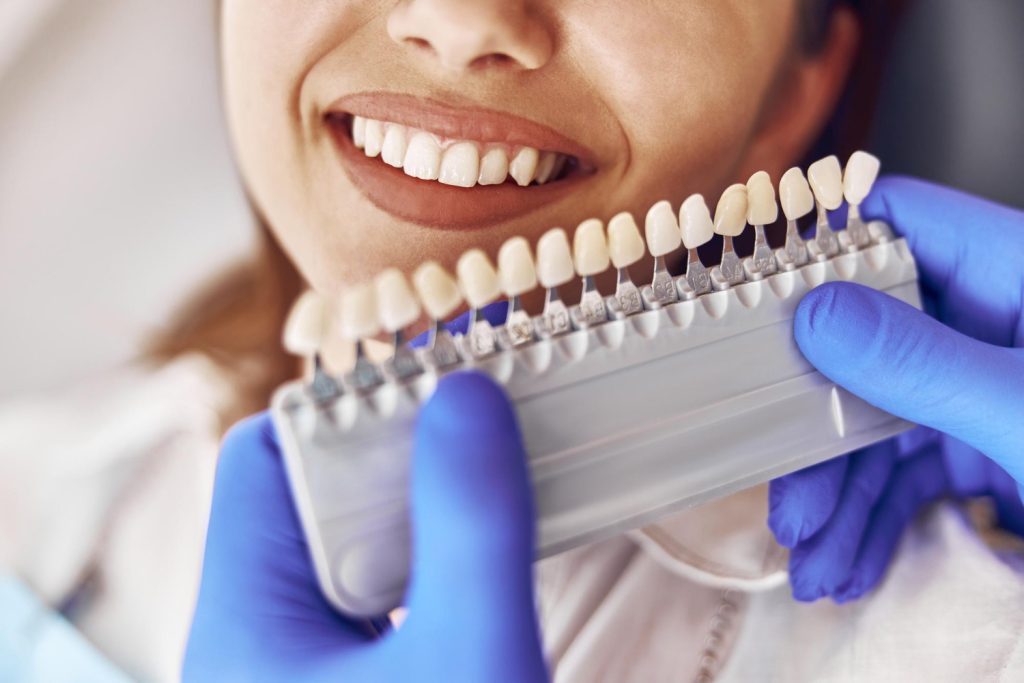
In individuals who grind their teeth at night, even if the veneer itself does not break, there is a risk of micro-cracks forming at the junction. Therefore, using the night guard recommended by the dentist protects not only the porcelain but also the natural teeth. Some unconscious movements during the day can also damage veneers; for example, biting pens, chewing nails, or opening packages with teeth pose serious risks to these restorations.
Another important issue is color stability. Although porcelain surfaces are stain-resistant, surrounding tissues and the gum area can become discolored. In smokers, gingival pigmentation and surface dulling may occur. Excessive consumption of coffee, tea, and acidic drinks poses risks for both color and surface roughness. Therefore, it is important to be especially careful during the first weeks and to maintain balanced habits in the long term.
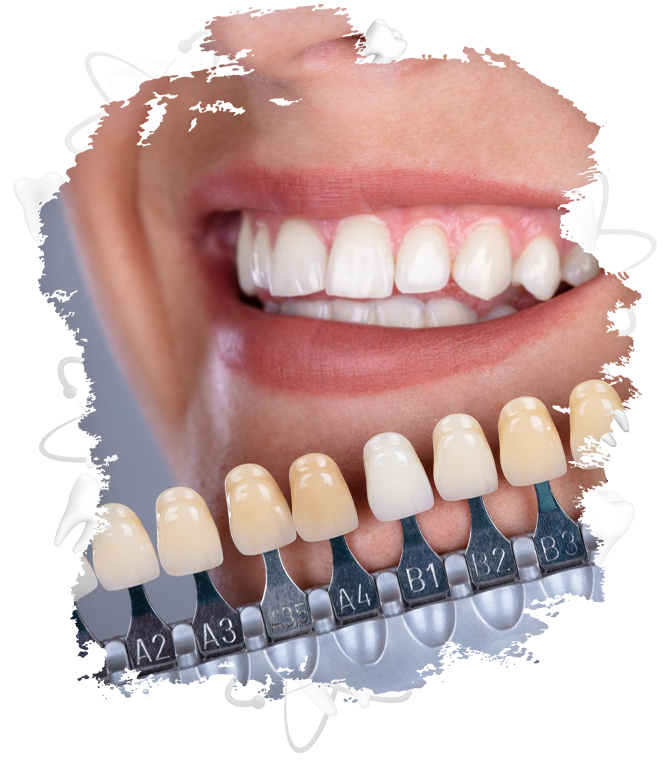
What is the Lifespan of Veneer Teeth?
Regular check-ups are one of the strongest factors determining the lifespan of veneers. Professional cleaning and surface polishing performed by the dentist maintain the natural shine of the porcelain. At the same time, during check-up appointments, edge fit and gum health are evaluated. This allows any potential problems to be detected and addressed early. These check-ups are necessary not only for the veneers but also for the sustainability of overall oral health.
When veneers are properly planned and cared for, they can remain natural, shiny, and strong for many years. This treatment is not just an aesthetic procedure; it is an investment that boosts confidence and improves quality of life. The care taken after treatment ensures the continuity of aesthetic success. Smile design does not end with placing the porcelains; on the contrary, it continues with proper maintenance. With regular check-ups, proper oral care, and conscious use, veneers can preserve their first-day appearance for many years.
Possible Problems and Prevention in Veneers
In properly applied veneers, chipping and detachment are rare; however, trauma, incorrect use, high bite forces, or poor oral hygiene can increase these risks. Maintaining healthy gum lines preserves margin adaptation and prevents staining or gum issues in the restoration area. For patients with a teeth-grinding habit, the use of a night guard is essential; otherwise, microcracks and porcelain stress can cause problems over time. Additionally, acid erosion, gum recession, or changes in the natural tooth structure require long-term monitoring.
During regular check-ups, the dentist can renew the veneer’s surface polish and ensure the restoration maintains its shine for a long time. This provides both an aesthetic advantage and supports gum health by reducing plaque accumulation.