Interdental Papilla Loss (Black Triangle)
Interdental papilla loss occurs when the gum tissue is unable to fill the triangular spaces between the teeth and is characterized by the appearance of black triangles inside the mouth. Medically known as interdental papilla loss, it affects not only aesthetics but also closely impacts oral health, function, and signs of aging.
The papilla tissue is both the balance of an aesthetic smile and a structure that prevents food particles from getting stuck between the teeth; when this tissue is lost, both appearance and function are compromised. Most patients first notice this condition and describe it as “a hole between my teeth” or “there is a gap when I smile.” Over time, it leads to problems such as food impaction, bad breath, discomfort during chewing, and loss of a youthful appearance.
Free Information Form
Get Detailed Information!
What Causes Interdental Papilla Loss?
Interdental papilla loss is not caused by a single factor; it is usually the result of multiple contributing factors acting together.
The most common causes are:
- Periodontal diseases → gum recession and bone loss
- Aggressive tooth brushing → trauma to the gum tissue
- Aging → reduction in tissue volume and a biological atrophic process
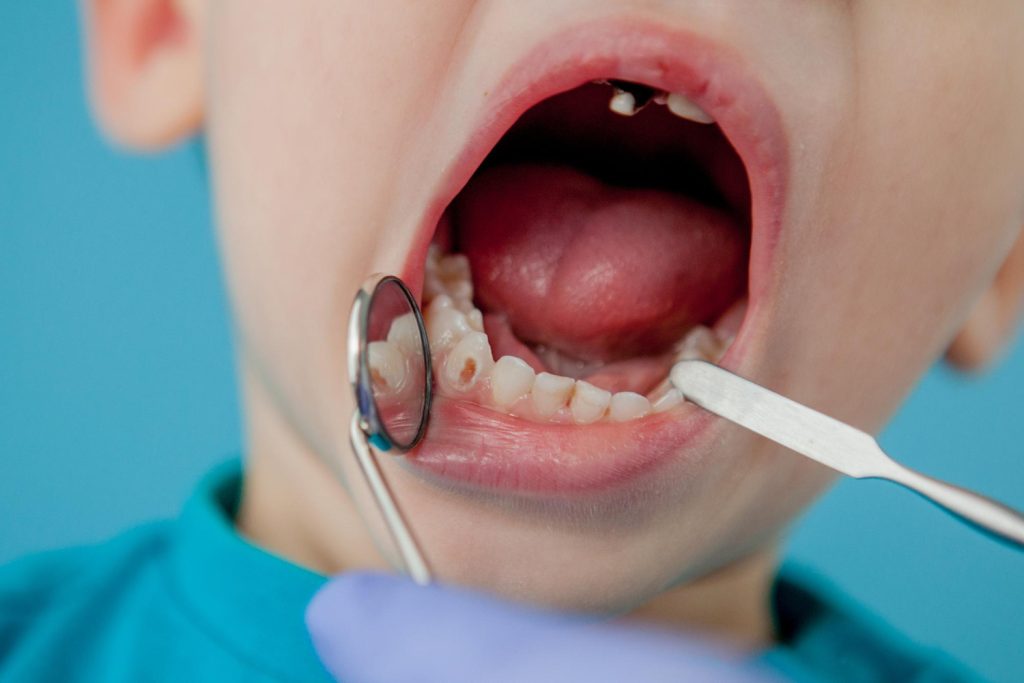
- Tooth malpositions or occlusal disorders
- Volume loss in supporting tissues after orthodontic treatment
- Traumas
- Inadequate interdental hygiene or excessive use of toothpicks
- Insufficient soft tissue support after dental implants
- Anatomically thin bone structure and thin gingival biotype
- Incorrect restorations / faulty contact points
When papilla loss develops, not only aesthetics but also functional and biological balance is disrupted.

The Role of Genetic Factors
Genetic factors play an important role in the structure of teeth and gums. In some individuals, the gum form, thickness, and papilla structure may be naturally weaker from birth. This condition can directly affect aesthetic and periodontal outcomes. Genetic predisposition is a determining factor especially in papilla loss and gum recession.
Conditions that can be influenced genetically:
- Gum thickness
- Bone structure form
- Tooth alignment and tendency for spacing
Symptoms of Papilla Loss
Papilla loss may initially appear as small gaps, but as it progresses it affects oral health.
Symptoms include:
- Black triangle gaps between teeth
- An aged and worn appearance in the smile
- Food accumulation between teeth
- A constant sensation of air and saliva passing to the opposite side
- Bad breath and unpleasant taste
- Aesthetic dissatisfaction and loss of self-confidence
In smile design, the papilla tissue is as important as tooth shape because the lip line and gum line form the main framework of the smile.
X-ray and Periodontal Evaluation
Radiological examination plays a major role in the evaluation of papilla and gum health. Through X-ray images, bone level, the position of tooth roots, and supporting tissues can be clearly analyzed. This evaluation forms the basis of treatment planning.
In periodontal evaluation, especially:
- Bone level measurement
- Amount of gum recession
- Presence of infection
are taken into account.
These data enable the determination of the correct treatment approach.v
Papilla Reconstruction Techniques
In cases of papilla loss, various reconstruction methods can be applied. The aim is to restore the natural aesthetic form between the teeth. These procedures may include both surgical and restorative approaches.
Methods used:
- Soft tissue surgery
- Connective tissue grafts
- Orthodontic space adjustments
- Restorative dentistry procedures
The choice of treatment is determined according to the patient’s tissue structure and the degree of loss.
How Is Papilla Loss Treated?
Papilla loss treatment is planned by evaluating the level of loss, bone support, gum biotype, and the patient’s periodontal condition; rather than a single standard method, multidisciplinary and combined protocols are often applied.
In the initial stage, regenerative approaches to strengthen the tissues in the area, PRF/PRP applications, and biomaterial supports may be preferred. For the rapid improvement of the black triangle appearance from an aesthetic perspective, composite recontouring is a commonly used minimally invasive solution that allows micro-aesthetic adjustment of tooth contours.
In individuals with a high smile line where the papilla area is more visible, the tooth form can be redesigned using laminate veneers or ceramic contour restoration methods to close the gaps aesthetically.
In some patients, orthodontic micro-movements may be necessary to increase papilla support; this strategy is particularly effective in cases where tissue support weakens after orthodontic treatment.
In selected advanced cases, surgical papilla reconstruction may be performed using tissue grafts or flap techniques.
In practice, the ideal result is achieved not with a single procedure but with a combined treatment protocol such as composite application + biological tissue support + contour adjustment + interdental hygiene education. Papilla management is a sensitive area both aesthetically and functionally; therefore, treatment must be carried out with individualized planning.
Can Papilla Loss Be Prevented?
Yes — it can be preserved in the early stages. Recommendations:
- Gentle brushing with a soft-bristled toothbrush
- Use of interdental brushes instead of dental floss
- Periodontal cleaning and routine check-ups
- Biotype analysis before smile design
- Strengthening of supporting tissues after orthodontic treatment
- Treatment of bruxism if there is excessive teeth clenching
Healthy papilla is the key to a naturally youthful smile.
Interdental papilla loss (black triangle) is one of the early facial signs of aging and is a condition that should be addressed both functionally and aesthetically.
In modern aesthetic dentistry, through biomimetic approaches, papilla preservation protocols, and ceramic and composite micro-aesthetic techniques, natural tissues can be supported and smile balance can be restored.
Planning dental and gingival aesthetics together is the foundation of a healthy and youthful-looking smile.
Common Mistakes
The most common mistakes in papilla and periodontal treatments generally arise from incorrect planning and insufficient evaluation. In particular, an approach focused solely on aesthetics can lead to unsuccessful long-term results.
Most common mistakes:
- Insufficient periodontal analysis
- Ignoring bone level
- Incorrect restorative planning
- Failure to consider patient-related factors
A multidisciplinary approach is required to prevent these mistakes.