The Composite Bonding Process in the Treatment of Broken and Cracked Teeth
Minor accidents in daily life, the consumption of hard-shelled foods, or habits such as teeth grinding, also known as bruxism, can lead to unwanted fractures and cracks in the teeth. In addition to aesthetic concerns, this condition may also cause tooth sensitivity and loss of function. One of the most popular, fast, and effective solutions in modern aesthetic dentistry is composite bonding.
So, how does the composite bonding process work in the treatment of broken and cracked teeth, and what advantages does it offer patients? Here are all the details you need to know to achieve a healthy and aesthetic smile.
Free Information Form
Get Detailed Information!
What Is Composite Bonding and In Which Cases Is It Applied?
Composite bonding is a procedure in which composite resin material, matched to the tooth’s natural color, is bonded to the tooth using special techniques in order to correct structural irregularities, fractures, cracks, or color inconsistencies. Providing maximum aesthetics with minimal intervention to the tooth tissue, this method is one of the most important applications of preventive dentistry.
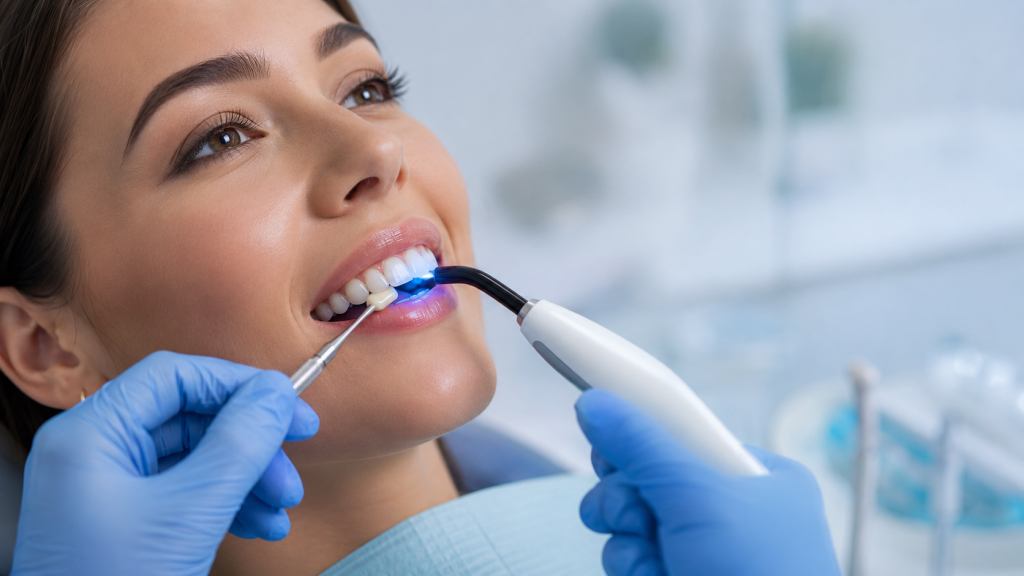
It is frequently preferred not only for aesthetic purposes but also to restore the function of the tooth.
What Are the Stages of Composite Bonding Treatment?
The bonding process for a patient who visits the clinic for the treatment of a broken or cracked tooth is usually completed in a single session and in a highly comfortable manner. The process can generally be summarized in three main steps:
Initial Examination and Tooth Preparation
In the first stage of treatment, the dentist carefully examines the condition of the broken or cracked tooth. If there is no damage to the root, the bonding procedure is planned, and the composite shade that best matches the natural tooth color is selected.
In most cases, anesthesia is not required. After the tooth surface is cleaned, the enamel is gently roughened to allow the composite material to bond to the tooth at a microscopic level, and a special adhesive, known as a bonding agent, is applied to the surface.
Application and Shaping of the Composite Resin
The paste-like composite resin, which perfectly matches the selected tooth shade, is applied to the fractured area in layers. The dentist then shapes the tooth so that the material blends seamlessly with the natural tooth form.
This stage is where the dentist’s aesthetic vision and manual skill are most prominently reflected.
Light Curing and Polishing
After the desired shape is achieved, a special blue-wavelength LED light is applied to harden the composite material. Once the material has hardened, the patient’s bite alignment is checked.
Finally, a polishing procedure is performed to achieve the shine and smoothness of natural tooth enamel. As a result, the restoration on the tooth is not noticeable from the outside in any way.
Why Should Bonding Be Preferred in Broken Tooth Treatment?
There are many advantages to choosing the bonding method, especially for front tooth aesthetics and urgent treatment of dental fractures:
- Fast and Practical Solution: The treatment is usually completed in a single session, without waiting for a laboratory process, and typically takes around 30–60 minutes. This provides great convenience, especially for patients with limited time.
- Cost-Effective: Compared to porcelain veneers or zirconium crowns, bonding is a more affordable aesthetic solution.
- Conservative Approach: No reduction is made from the natural tooth structure, or only a very minimal intervention is performed.
- Natural Appearance: The nanotechnology-based composite materials used provide excellent harmony with natural tooth enamel in terms of light transmission.
Oral and Dental Care After Bonding Treatment
Extending the lifespan of broken and cracked teeth repaired with bonding depends on regular care, just like with natural teeth. For long-lasting and trouble-free use, the following points should be considered:
- Avoid cracking hard-shelled foods such as hazelnuts and walnuts with your teeth, and stop habits such as biting pens or nail biting.
- For the first 48 hours after treatment, avoid foods and drinks with high staining potential, such as tea, coffee, red wine, and tomato paste.
- Brush your teeth at least twice a day and make sure to use dental floss to prevent plaque buildup between the teeth.
- Visit your dentist regularly every 6 months to have any minor dullness on the composite surface polished again.