Is Pain After a Dental Filling Normal?
Dental filling is a basic treatment in which decayed tissue is removed and the tooth’s natural form and function are restored. However, many patients may experience pain, sensitivity, or a throbbing sensation after the procedure. Although this situation often causes concern, pain after every filling is not pathological; it is most often due to temporary factors such as tissue adaptation, nerve sensitivity, or bite height issues.
Post-filling pain is evaluated according to its duration, severity, triggering factors, and the tooth’s clinical response. Especially after the removal of deep decay, the nerve tissue (pulp) undergoes a healing process for a while, which may be felt as sensitivity to hot and cold, pain during chewing, or short-term throbbing. These types of reactions are the tooth’s natural healing response, and most patients feel relief within a few days.
Free Information Form
Get Detailed Information!
Pain After Dental Filling in Children
Pain after dental filling in children is generally milder, but children may sometimes describe it as a more serious problem. Therefore, evaluation must be done carefully.
- Short-term sensitivity may occur
- Mild discomfort during chewing
- It usually resolves quickly
The important point in children is to distinguish whether the pain is real or part of the adaptation process.

Bite Imbalance After Filling
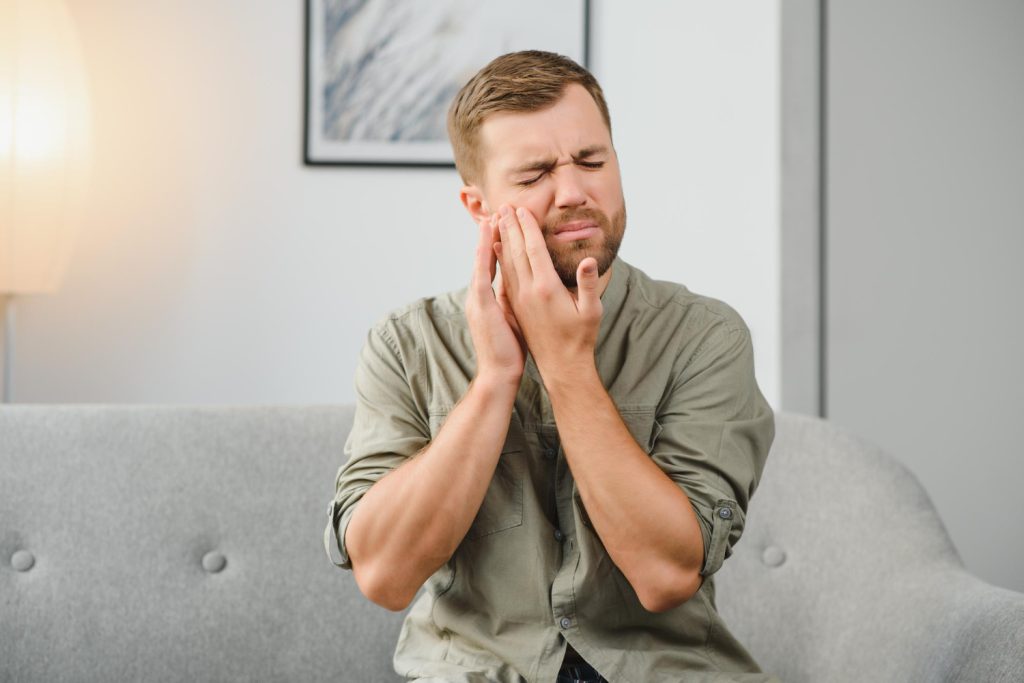
Some patients may feel that the tooth is “high” after a filling or experience discomfort while chewing. This situation is usually caused by the filling not fully fitting the bite and can be resolved with a very simple adjustment. If not treated, it may also lead to jaw muscle pain.
- Premature contact sensation (one tooth touching first)
- Pressure sensation during chewing
- Misalignment in jaw closure
- Can lead to muscle pain over time
What Types of Pain After a Filling Are Normal?
Some sensitivity after dental filling is considered completely normal. Especially due to the curing process of composite fillings and the adaptation of nerve tissue, mild pain may be expected within the first 24–72 hours.
Sensitivity to hot and cold, short-term discomfort when eating hard foods, and a mild pressure sensation are physiological healing responses. During this process, the periodontal tissues around the tooth are also active, which may cause slight sensitivity. In addition, the newly filled tooth needs time to adapt to chewing forces; during this period, mild throbbing or discomfort on contact is normal. These complaints usually do not require painkillers and gradually decrease each day, typically resolving significantly within 3–7 days.
When Is It Not Considered Normal?
If pain after a filling lasts too long, worsens, or occurs with clear triggers, a dentist should be consulted. The following situations are not considered normal:
- Pain lasting longer than 1–2 weeks
- Pain that wakes the patient at night with throbbing
- Increasing sensitivity to heat
- Sharp pain or “electric shock” sensation during chewing
- Persistent pain that increases with pressure on the filled tooth
- Swelling, jaw pain, or accompanying fever
These conditions may indicate a high filling, nerve trauma, leakage, secondary decay, or pulpitis. In particular, pain that increases with heat and is relieved by cold is important in terms of pulpal inflammation, and root canal treatment may need to be evaluated.
Why Does Pain Occur After a Dental Filling?
Pain after a filling can develop due to several mechanisms. The most common causes are:
- Nerve sensitivity after removal of deep decay
- Mechanical stress applied to the tooth structure
- Shrinkage effect of light-cured composite materials
- Inadequate adjustment of bite height
- Temporary irritation, trauma, or thermal stimuli
- Microleakage or bonding problems
When the tooth tries to adapt to a high filling, increased pressure may be felt in the periodontal ligaments. In such cases, even a simple bite adjustment can provide rapid relief.
Cold and Hot Sensitivity
One of the most common things after a filling is sensitivity to hot and cold. In other words, there may be a brief pain when drinking cold water or a short-lasting ache when eating something hot. The reason is that the inner part of the tooth remains slightly sensitive after the procedure.
- A stinging sensation with cold drinks
- Short-term pain with hot foods
- Sometimes discomfort with sweet foods as well
The important point is this: this pain is short-lived. If it lasts longer or gradually increases, a check-up is necessary.
How to Reduce Pain After a Filling?
After a filling, the dentist’s recommendations should be followed and the tooth should be protected from excessively hot, cold, hard, and sticky foods for the first few days. For mild pain, lukewarm saltwater rinses, avoiding cold exposure, and gentle chewing habits support healing.
If necessary, simple painkillers can be used with the dentist’s approval. If the pain is gradually decreasing, chewing is improving, and sensitivity is getting better each day, the tooth is in a normal healing process.
Short-term sensitivity and mild pain after a dental filling are quite normal and reflect the body’s natural healing response. However, pain that worsens, lasts a long time, causes night pain, or increases with heat sensitivity may require treatment.
Early intervention is important for tooth preservation and prevention of more advanced procedures. Regular dental check-ups, proper oral hygiene, and restorations made with tooth-compatible aesthetic materials ensure that fillings remain long-lasting and comfortable.