What Is Gum Edema (Swelling)?
Gum edema is a condition characterized by swelling, tenderness, and redness of the gums due to fluid accumulation, increased vascular permeability, and an inflammatory reaction. Healthy gums appear firm, matte, and pink; in the presence of edema, they may appear shiny, enlarged, soft, and sometimes purplish in color.
This condition usually develops as a result of plaque bacterial toxins, mechanical trauma, or hormonal–systemic factors. If neglected, it may progress along the sequence of gingivitis → periodontal disease → bone loss → tooth loss.
Free Information Form
Get Detailed Information!
Patients most commonly present with the following complaints:
- More pronounced swelling in the morning
- Bleeding during tooth brushing
- Bad breath
- Sensitivity to pressure
- A feeling of fullness during chewing
- Altered taste and metallic taste
These symptoms require early intervention rather than waiting for them to “go away,” because active inflammation is often present beneath the swelling.
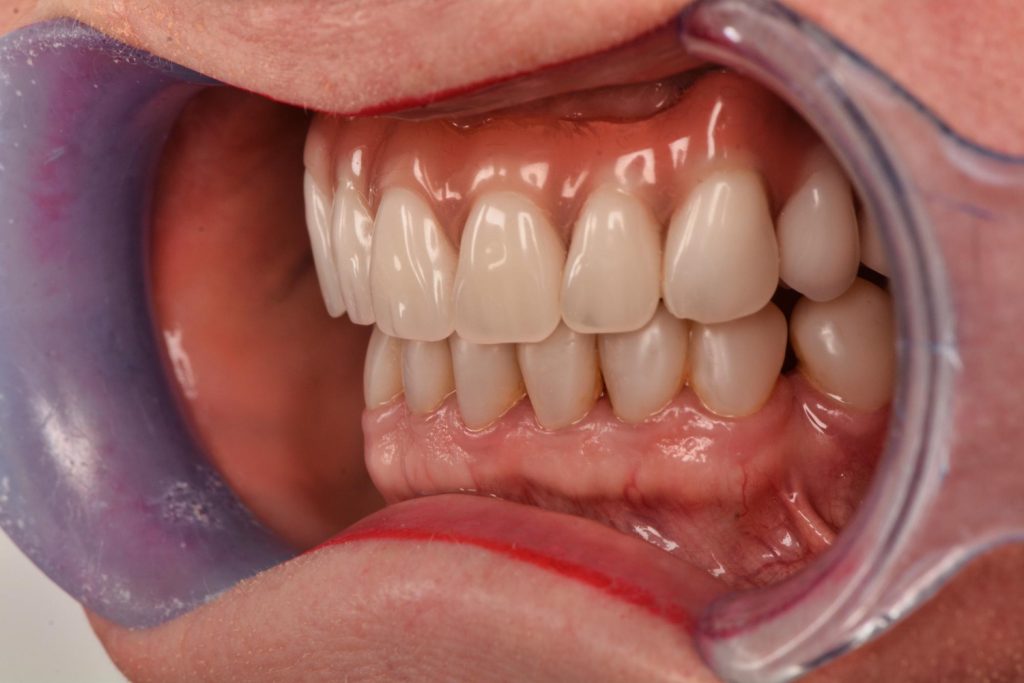
Amalgam is a material based on a chemical reaction that hardens without polymerization, and over time it forms an oxide layer on its surface, which increases marginal seal.
For this reason, it has been safely preferred for years, especially in high-load posterior cavities.
Why Does Gum Edema Occur?
Bacterial Plaque and Tartar Accumulation
The main cause of gum edema is plaque accumulation on the tooth surface.
Over time, plaque hardens into tartar (calculus), and this rough surface continuously irritates the gum margin. Microorganisms produce toxins, immune cells migrate to the area, and increased vascular permeability leads to swelling.

Incorrect Brushing and Poor Oral Hygiene
Excessively hard brushing;
- Damages the gums
- Disrupts the barrier layer
- Causes micro-tears
Insufficient brushing and lack of interdental cleaning, on the other hand, increase bacterial load and trigger edema.
Hormonal Effects and Pregnancy
Pregnancy, puberty, and menstrual cycle hormones increase vascular permeability and make the gums more sensitive. “Pregnancy gingivitis” is based on this mechanism.
Systemic Diseases and Medications
Bruxism applies micro-vibrations and pressure to the gums. Stress reduces salivary flow. When saliva decreases, the pH balance is disrupted and bacteria multiply rapidly.
Reflux, Diet, and Acid Exposure
Acidic drinks, excessive sugar, and nighttime exposure to stomach acid accelerate tissue breakdown around the teeth.
Vitamin C deficiency slows down tissue healing.
Each of these mechanisms triggers edema by increasing inflammation and fluid accumulation.
Local (Regional) Causes of Gum Swelling
Gum swelling is sometimes observed not throughout the entire mouth, but only in a specific area. This usually indicates a local etiological factor.
Possible causes:
- Localized dental caries
- Apical infections (root tip infection)
- Food impaction (food trapped between teeth)
- Tissue irritation due to trauma
In cases of localized swelling, the underlying cause must always be identified.
Effect of Plaque and Bacterial Accumulation
A thin layer constantly forms on the teeth. This is called plaque. If the teeth are not brushed properly, this plaque thickens and bacteria multiply.
These bacteria irritate the gums.
As a result:
- The gums swell
- The gums become red
- Bleeding occurs while brushing
- Bad breath develops
Effect of Nutrition on Gum Edema
Dietary habits have a direct effect on gum health. In particular, frequent consumption of refined sugar and processed foods increases the oral bacterial load and accelerates the inflammatory process.
In addition:
- Vitamin C deficiency reduces gum resistance
- Insufficient water intake causes dry mouth
- Frequent and uncontrolled snacking disrupts pH balance
When evaluated together, these factors create a basis for gum edema.
Symptoms and Clinical Appearance
In gum edema, swelling is not the only finding. The following signs are usually seen together:
- Redness and a shiny tissue appearance
- Spontaneous bleeding or bleeding while brushing
- Spongy tissue consistency
- Bad breath (halitosis)
- A feeling of pressure in the teeth
- Rounded gingival papillae
- Food impaction
- Sensitivity and throbbing
- In advanced cases, pus (periodontal abscess)
Patients often describe it as “my gums went down, then swelled again, then went down again”; this indicates a chronic–acute exacerbating inflammatory pattern.
Treatment Methods for Gum Edema
- Professional dental scaling (detartrage)
- Subgingival plaque and calculus removal
- Root surface debridement (SRP)
- Antiseptic mouth rinses
- Local anti-inflammatory applications
- Use of ultrasonic scalers and hand instruments for bacterial control
- Laser disinfection of the gums (laser-assisted periodontal therapy)
- Oral hygiene education
- If necessary, surgical periodontal treatment
- Control of systemic diseases and dietary regulation
- Night guard and muscle management
- Smoking cessation protocol
- Saliva support and probiotic use
Note: Antibiotics are only given in cases of active infected periodontal abscess or systemic signs of infection. Gum swelling does not automatically require antibiotics.
Home Care and Support
Home care practices support clinical treatment:
- Soft-bristled toothbrush and gentle technique
- Interdental cleaning 2–3 times a day (floss + interdental brush)
- Short-term antiseptic mouthwash use
- (If needed) temporary saltwater rinses
- Reducing acidic foods and drinks
- Limiting smoking and alcohol
- Reducing stress and drinking plenty of water
However, home care alone is not sufficient when tartar is present.
What Happens If It Is Neglected?
If left untreated, the process may progress as follows:
Gingivitis → Periodontitis → Bone loss → Tooth mobility → Tooth loss
In addition:
- Persistent bad breath
- Aesthetic deterioration
- Bite imbalance
- Increased systemic inflammation (heart–diabetes relationship)
develop.
Gum swelling is not a “cosmetic” issue; it is a health warning.
Gum edema is an inflammatory condition associated with both local and systemic factors that can progress over time. Early intervention, proper brushing habits, professional cleaning, and healthy lifestyle behaviors can bring it fully under control.
Regular periodontal maintenance allows the gum tissue to become firm again, reduces bleeding, and helps maintain a healthy, pink, and firm gum appearance. Delaying dental check-ups protects gum tissue and prevents advanced periodontal loss.
Importance of Regular Check-ups in Maintaining Gum Health
Gum diseases usually progress slowly and silently. For this reason, patients may not notice them in the early stages. Regular dental check-ups are critically important both for early diagnosis and professional cleaning.
Thanks to regular check-ups:
- Dental scaling is performed
- Early periodontal problems are detected
- Progressive tissue loss is prevented
- The long-term risk of tooth loss is reduced