What is Bruxism (Teeth Grinding)? How is it Treated?
Bruxism is a condition in which a person unconsciously repeats the behavior of clenching teeth, grinding teeth, or locking the jaw. It is usually seen during sleep, but daytime bruxism can also occur during activities such as stress, intense thinking, working at a computer, exercising, and driving.
Teeth grinding is not only a mechanical problem that wears down tooth surfaces; it is a complex functional disorder that affects the jaw muscles, the temporomandibular joint (TMJ), head and neck muscles, and overall quality of life. If left uncontrolled for a long time, bruxism can lead to cracks in the teeth, broken fillings, enamel loss, shortening of tooth height, wear in the jaw joint, and even changes in facial shape.
Free Information Form
Get Detailed Information!
What Are the Symptoms of Bruxism?
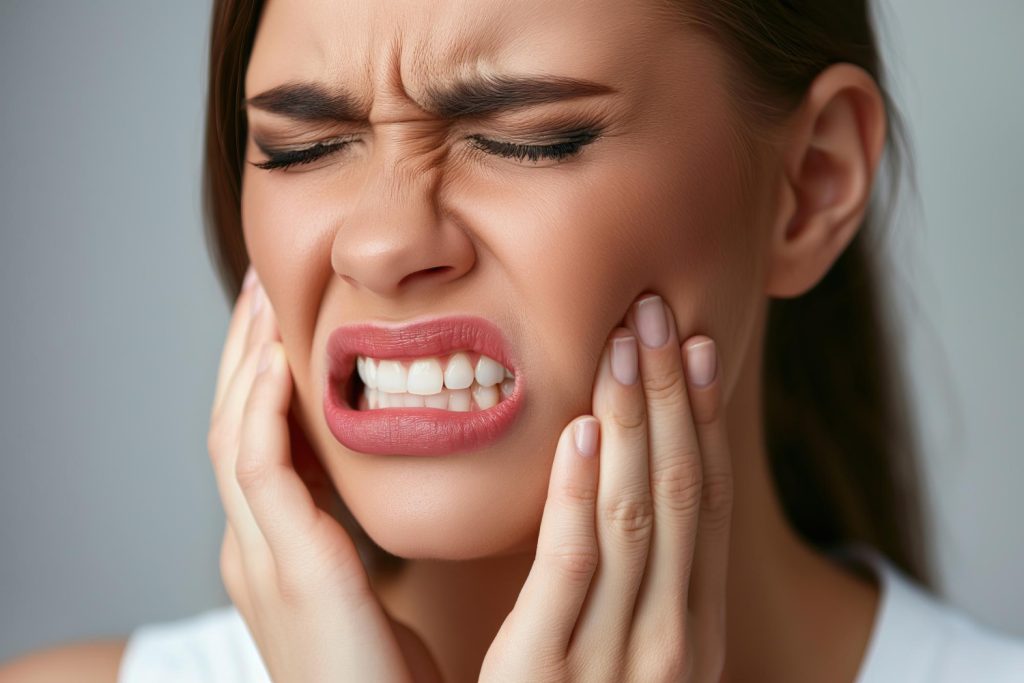
Early detection of bruxism increases treatment success. The most common symptoms are:
- Pain or fatigue in the jaw and facial muscles in the morning
- Tooth sensitivity and wear
- Jaw joint pain radiating to the ear
- Headache and a feeling of pressure in the forehead and temple area
- Teeth grinding sound during sleep (noticed by a partner)
- Clicking, popping, or locking sound during jaw opening and closing
- Cracks in tooth enamel, broken fillings, and restorations
- Masseter muscle hypertrophy (a firm and enlarged appearance in the cheek area)
- Tension in neck and shoulder muscles
In the long term, bruxism can make facial features appear more square, creating a more masculine appearance, which may especially lead to aesthetic concerns in female patients.
Who Is More Likely to Develop Bruxism?
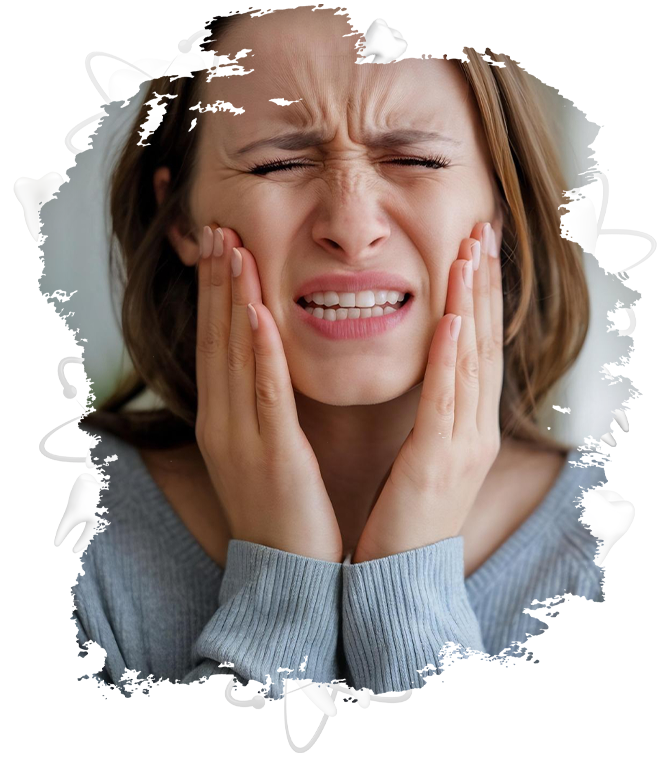
Bruxism (teeth clenching and grinding) is more commonly seen in individuals with high stress levels. People with a busy daily routine, anxiety disorders, or poor sleep quality are in the risk group. Certain personality traits may also influence this condition.
Groups in which it is more commonly seen:
- Individuals working under intense stress
- Those with anxiety and sleep disorders
- People with high caffeine consumption
- Patients with jaw alignment (occlusion) problems
In these individuals, bruxism often occurs unconsciously during sleep at night, and over time symptoms such as tooth wear and jaw muscle pain may develop.
Why Does Bruxism Occur?
Bruxism does not have a single cause; it is usually multifactorial. The main triggers are:
- Stress and anxiety
- Sleep-related breathing disorders (apnea, snoring)
- Reflux and increased stomach acid
- Habit of clenching teeth / unconscious muscle activity
- High caffeine and nicotine consumption
- Jaw alignment problems (malocclusion)
- Nervous system regulation disorders
- Low dopamine activity at night
Recent studies also suggest that neurotransmitter imbalances may trigger bruxism.
Does Bruxism Occur in Children?
Bruxism is not seen only in adults; it can also be common in children. Some children may develop a habit of nighttime teeth grinding, especially during the period when primary teeth are being replaced.
Bruxism in childhood can sometimes be temporary; however, it may continue due to factors such as intense stress, sleep problems, adenoid–tonsil issues, or breathing difficulties. It is important for parents to pay attention to teeth grinding sounds during the night. If it persists for a long time, a dental evaluation is recommended, as it may affect jaw development and tooth surfaces.
How Does Bruxism Affect Daily Quality of Life?
Teeth clenching is not limited to the oral and jaw region; it can also affect a person’s daily performance. Due to constant muscle tension, fatigue during the day, difficulty focusing, and concentration problems may occur.
Especially in individuals who work long hours at a desk, continuous contraction of the neck and shoulder muscles may increase postural problems. In some patients, waking up tired in the morning, poor sleep quality, and a persistent feeling of facial pressure throughout the day significantly reduce quality of life.
Does Bruxism Affect Aesthetic Appearance?
Long-term teeth clenching habits can cause not only functional but also aesthetic changes. In particular, overactivity of the masseter muscles may lead to widening of the lower face, resulting in a stronger and more square facial appearance.
In addition, tooth wear can negatively affect smile aesthetics. Shortening of tooth length and surface loss may gradually cause a more tired and aged appearance. Preventive treatments applied at an early stage help preserve the natural facial form and prevent aesthetic deterioration.
How Is Bruxism Treated?
Bruxism treatment focuses not only on symptom management but also on the balance of the muscles, joints, tooth structures, and nervous system. Treatment is planned individually for each patient.
Night Guard (Splint Therapy)
It is the first protective step in bruxism.
- Protects teeth from wear
- Reduces muscle activity
- Supports the jaw joint
Custom-made splints should be preferred; ready-made splints may even cause increased teeth clenching.
Masseter Botox
It helps control teeth clenching by reducing excessive muscle activity. It also provides a jawline slimming effect by reducing masseter hypertrophy.
- Its effect lasts 3–6 months
- With regular applications, muscle memory is reprogrammed
- It does not completely shut down function; healthy chewing is preserved
Occlusion (Jaw Bite) Adjustment
If there is a bite disorder, in advanced cases orthodontic treatment, composite bonding adjustment, or prosthetic restoration planning may be performed.
Muscle Therapy and Physiotherapy
The jaw, neck, and shoulder muscles are affected together.
- Manual therapy
- Trigger point treatments
- Exercise & posture correction
A balanced and coordinated temporomandibular joint environment is established.
Stress and Sleep Management
Up to 80% of bruxism is associated with stress and emotional load.
Supportive approaches include:
- Meditation and breathing exercises
- Sleep hygiene
- Psychological support if necessary
If sleep apnea is suspected, a sleep study should be performed for evaluation.
Why Is Regular Follow-Up Important in Bruxism Treatment?
Bruxism treatment is not a single-session process; it requires regular follow-up. Muscle activity, tooth surfaces, and the jaw joint should be monitored at specific intervals. Especially in patients using night guards, the fit of the splint should be reassessed over time. Thanks to regular check-ups, any new wear can be detected at an early stage.
What Should Bruxism Patients Pay Attention To?
- Avoid hard foods (ice, nut shells, etc.)
- Monitor jaw position during the day
- Practice tongue–tooth position awareness exercises
- Reduce caffeine and alcohol
- Apply warm compresses to relax muscles
- Limit hard chewing gum
- Check for mouth breathing during sleep and nasal congestion
These habits help speed up treatment.
What Happens If It Is Not Treated?
If bruxism is not treated for a long time, significant wear occurs on the teeth; over time, tooth height shortens, enamel wears down, and this makes the teeth more prone to sensitivity.
As the condition progresses, micro-cracks and fractures may develop, increasing the need for root canal treatment. Excessive chewing forces can also damage the jaw joint, leading to pain, sounds, locking, and functional loss in the joint area.
In addition, constant tension in the jaw and neck muscles may cause chronic head and neck pain. The aesthetic effects are also noticeable; due to overdevelopment of the masseter muscles, the face may gradually take on a wider and more square appearance.
Considering all these risks, early intervention helps preserve natural tooth structure and maintain healthy jaw function.
Bruxism is one of the most common dental–muscular–nervous system imbalances of modern life. With the right clinical approach, multidisciplinary planning, and regular follow-up, it can be fully controlled.
A healthy smile begins with harmonious jaw function and balanced muscle activity. The earlier it is detected and treatment is started, the more successful the outcome.
Patient Experiences and Recommendations
Patients experiencing bruxism often report waking up with jaw fatigue, headaches, or tooth sensitivity in the morning. Many patients may not notice this condition at first, and it is often diagnosed during a dental examination.
Commonly shared patient experiences include:
- Waking up with jaw pain in the morning
- A sensation of clenching in the teeth
- Decreased sleep quality
Recommendations include the use of night guards, stress management, and regular dental check-ups. In particular, custom-made night guards are one of the most effective methods for protecting the teeth.