Dental Erosion: Stages, Causes and Treatment
Dental erosion is the irreversible loss of enamel caused by chemical dissolution of the tooth enamel due to acid exposure, leading to gradual thinning and weakening over time.
Today, it is seen much more frequently due to factors such as increased consumption of acidic beverages, reflux disease, and dry mouth. In the early stages, dullness of the enamel surface and sensitivity occur; in later stages, enamel loss, exposure of dentin, shortening of teeth, discoloration, and increased fragility are observed. This condition leads not only to aesthetic issues but also to significant loss in chewing function and oral comfort.
Free Information Form
Get Detailed Information!
Difference Between Dental Erosion and Dental Caries
Dental erosion and dental caries are often confused, but they are actually two completely different conditions. Caries is a disease caused by bacteria that break down the tooth surface. Erosion, on the other hand, is not caused by bacteria but by acids, and the tooth surface gradually wears away.
Simply put, the difference can be understood like this:
- Caries = a “hole-forming” process caused by bacteria
- Erosion = the slow “dissolving” of the tooth caused by acid
Erosion is generally caused by:
- Acidic beverages
- Stomach acid reaching the mouth
- Constant acidic diet
Caries, on the other hand, is caused by:
- Sugar remaining in the mouth
- Insufficient brushing
- Bacterial accumulation
Stages of Dental Erosion
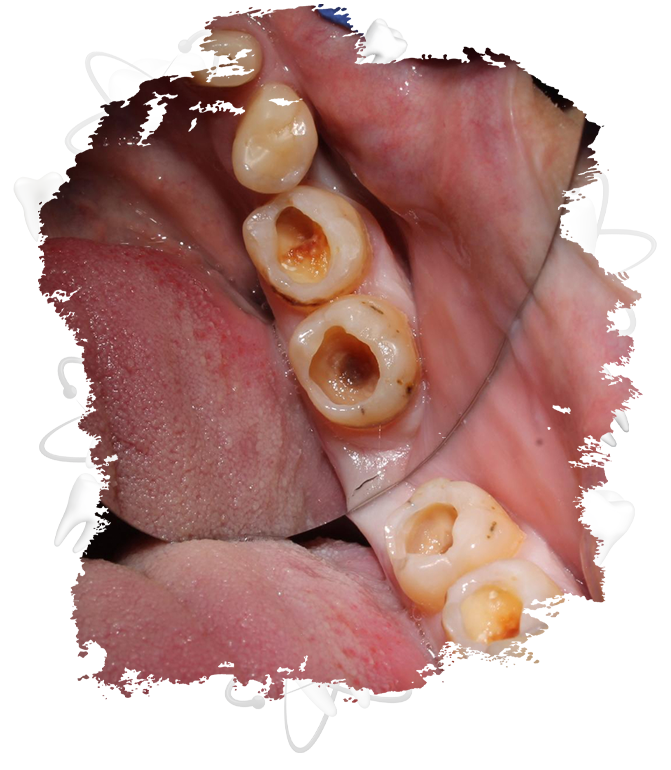
Dental erosion is a silently progressing process. In the early stage, patients may only experience short-term sensitivity. In the following stages, the enamel surface gradually becomes rough, translucency and rounding occur on the incisal edges, and sensitivity to hot and cold increases.
In the advanced stage, it is characterized by complete enamel loss with exposure of dentin, yellowing of the teeth, and shortening of tooth length. This deterioration can create a sunken and aged appearance in the lower third of the face, as tooth height supports facial structure.
If erosion is not treated, it leads to both aesthetic loss and functional problems, as well as tooth fractures and severe sensitivity.
Causes of Dental Erosion
Dental erosion can result from both external (extrinsic) and internal (intrinsic) acid sources. When consumed frequently, carbonated drinks, energy drinks, sports drinks, fruit juices, lemon water, vinegar, and fermented products weaken the enamel structure.
Holding drinks in the mouth for a long time, frequent consumption throughout the day, and nighttime intake increase risk factors.
Internal causes include reflux disease, gastric acid reflux, pregnancy-related vomiting, bulimia, frequent vomiting behaviors, and stomach acid reaching the oral environment.
In addition, reduced salivary gland function, long-term medication use (such as antidepressants and antihistamines), and dry mouth leave the enamel more vulnerable.
Recommendations for Protection Against Erosion
- Limit acidic drinks and consume them using a straw
- Rinse your mouth with water after acidic drinks
- Do not brush your teeth for 30 minutes after acid exposure
- Increase saliva production by using xylitol gum
- Use remineralization gels and high fluoride support
- If reflux treatment is needed, seek gastroenterology support
- Have regular dental check-ups
These habits protect the enamel surface and slow down progression.
Dietary Changes
In people at risk of dental erosion or caries, dietary habits can be significantly improved with even small changes. The goal is to reduce the duration of tooth exposure to acids and sugars. These changes also support the success of treatment.
For example:
- Not consuming acidic drinks frequently
- Reducing products such as cola and energy drinks
- Rinsing the mouth with water after consuming acidic drinks
- Reducing the number of snacks between meals
- Limiting sweets to main meals
The important point here is not complete restriction, but reducing the frequency.
Aesthetic Problems
As dental erosion and caries progress, not only health but also aesthetic problems arise. The tooth surface becomes thinner, the color may change, and teeth start to appear shorter or worn down. This condition directly affects smile aesthetics, especially in the front teeth.
Over time, the following changes may be observed:
- Yellowing and dull appearance of teeth
- Fractures and thinning at the edges
- Shortening of tooth length
- Rough surface texture
These aesthetic changes can be corrected with simple restorations if detected early, but if they progress, more comprehensive treatments may be required.
Treatment Approach in Dental Erosion
The first goal in treatment is to stop the progression of erosion. Dietary habit modification, remineralization protocols, fluoride applications, and desensitizing agents are the initial steps.
In moderate and advanced cases, composite surface restorations, minimally invasive porcelain laminates (veneers), and if necessary full ceramic restorations are used to restore tooth function and aesthetics. If tooth height is affected, occlusal adjustment becomes important. The correct approach is a combination of protection + restoration + regular monitoring.
When detected early, dental erosion can be controlled; however, when it progresses, it leads to permanent tissue loss. Therefore, early diagnosis, preventive planning, and a minimally invasive restorative approach are critical.
With regular dental follow-up, teeth can be preserved both aesthetically and functionally for many years.